Local and State
Strong local and state-level policies are essential for safe, efficient, and sustainable waste and recycling services. NWRA works with decision makers in every state to advance legislation that protects workers, encourages innovation, and strengthens the industry for the long term.
Local & State Advocacy
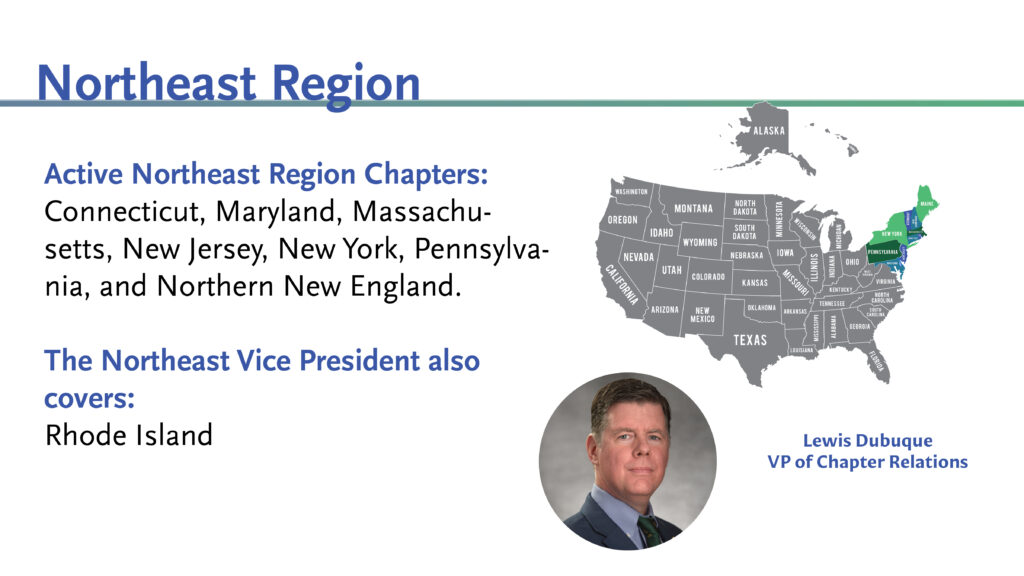
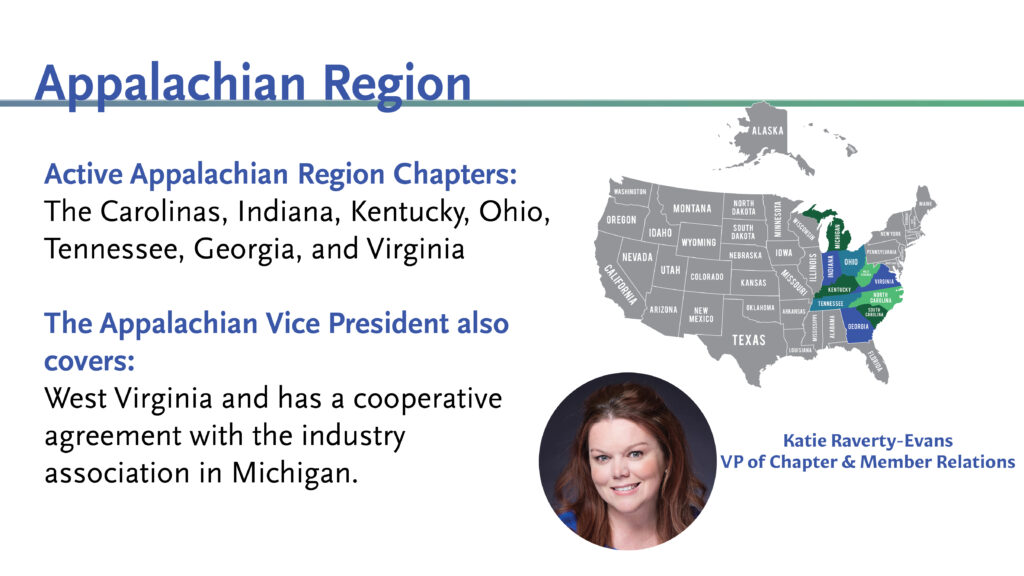
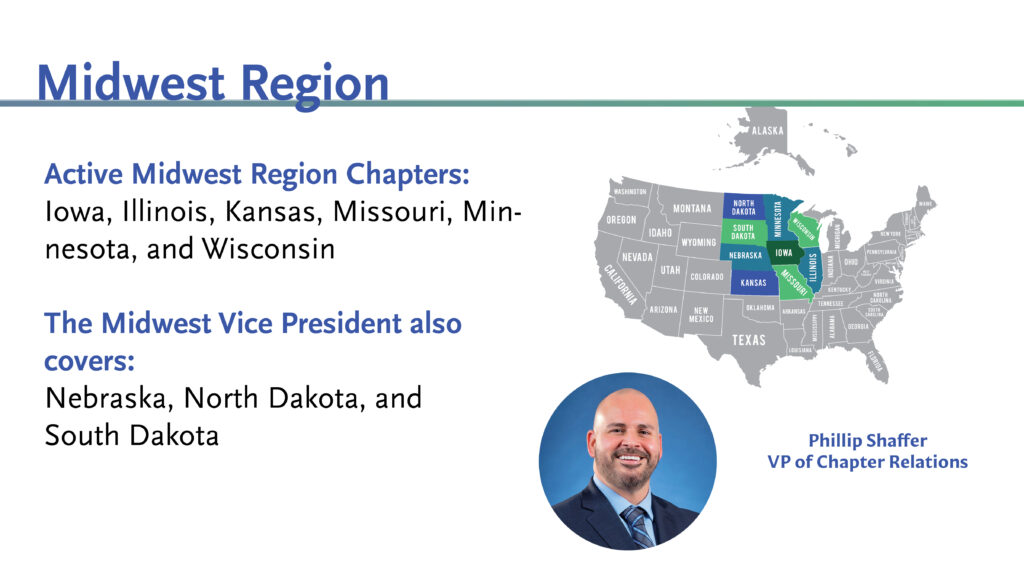
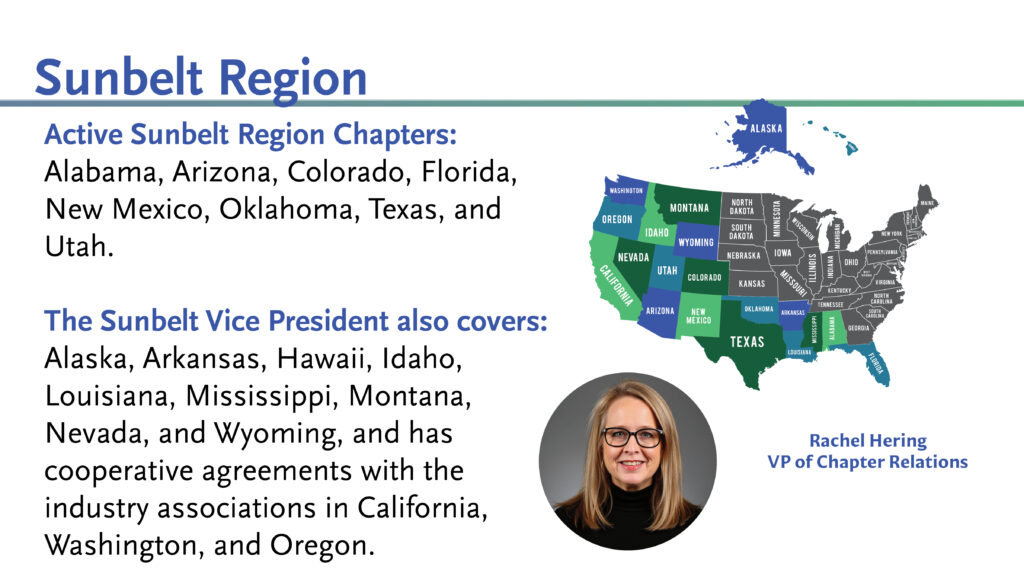
Meet Your Regional Vice Presidents
Current Issues:
Extended Producer Responsibility
Challenges with recycling have resulted in increased efforts to pass legislation at both the federal and state level advocating for extended producer responsibility (EPR). While well intentioned, many of these bills fail to address the root of the problems and also overlook existing recycling programs and their achievements.
DISCUSSION
NWRA believes EPR is, in reality, a “grocery tax”—a hidden cost on everyday goods that ultimately falls on consumers. Families will pay more at the checkout counter without seeing meaningful improvements to recycling systems or environmental outcomes. EPR places the burden on businesses and consumers rather than addressing core challenges like market development, contamination reduction, and infrastructure investment.
Our members have decades of experience, and billions invested in collection, processing, and recycling systems that already serve communities effectively.
Through active engagement in state legislatures and regulatory agencies, NWRA works to educate policymakers about the real impacts of EPR and to promote sound, practical policies that protect consumers, support economic growth, and enhance recycling performance across the country.
NWRA POSITION
NWRA opposes EPR legislation that shifts the costs of recycling and waste management from consumers and local governments to producers through new fees and mandates. While often presented as a solution to improve recycling, EPR programs are inefficient, costly, and ineffective, creating unnecessary layers of bureaucracy and undermining existing recycling infrastructure built by private industry and municipalities. Click here for our position paper.
Battery Stewardship
Battery Stewardship places the responsibility on manufacturers to manage the collection, recycling, and safe disposal of batteries at the end of their life cycle, reducing environmental impacts and improving safety.
NWRA POSITION
NWRA supports policies that expand safe lithium-ion battery take-back programs, shift disposal costs to producers, and promote a consistent national framework to reduce fires and protect recycling and waste management infrastructure.
To further advance safety and public awareness, NWRA has launched the Woodsy Campaign, a national initiative focused on educating consumers about the dangers of improper battery disposal and promoting safe recycling practices. These combined efforts are essential to improving safety, minimizing environmental risks, and ensuring the long-term sustainability of recycling operations nationwide.
CONTEXT
Members support the development of state policies designed to meet the growing need for effective battery recovery programs. These efforts are critical to improving safety, minimizing environmental risks, and ensuring the long-term sustainability of recycling operations nationwide.
Franchising and Annexation
NWRA supports a competitive, free-market approach to waste and recycling services. NWRA is not aligned with efforts to franchise waste collection or annex areas of service, as these practices can limit competition, restrict consumer choice, and displace small, family-owned businesses that have long served their communities.
Our members believe open market systems foster innovation, efficiency, and fair pricing for customers while supporting a diverse and sustainable industry.
Solid Waste Fees
NWRA recognizes that solid waste fees are necessary to support effective waste and recycling management programs. However, our members do not believe private companies should serve as the government’s “tax collector.” Any fees collected should be transparent and directly reinvested into programs that improve the efficiency and effectiveness of state regulatory agencies for waste and recycling programs, rather than serving as a general revenue source or for pet projects.
Permitting
NWRA believes that an efficient and well-structured permitting process is essential to the development and management of safe, environmentally sound waste and recycling facilities. NWRA members recognize the importance of permitting in supporting responsible growth; however, it is critical that all stakeholders actively participate in the rulemaking process. Collaborative engagement ensures a clear understanding of rule impacts and promotes the development of practical, effective solutions to address key industry challenges.
Bottle Bill
NWRA opposes bottle bill legislation that mandates deposit systems for beverage containers. Modern recycling infrastructure has rendered deposit systems largely outdated. Implementing and expanding bottle bill laws will only divert materials like PET plastic and aluminum—currently recycled through curbside programs with positive commodity value—into a separate stream.
This diversion undermines the financial viability of local recycling operations by removing valuable materials that help offset processing costs. With fewer high-value recyclables in the curbside stream, the cost to municipalities—and ultimately taxpayers—will rise. Residents already fund local recycling programs; forcing them to pay deposits on nearly all beverage containers amounts to double payment, or effectively, a hidden tax.
NWRA members support policies that strengthen and expand curbside recycling infrastructure, promote market-based solutions, and ensure efficient, sustainable recycling systems for all communities.
PFAS
NWRA and its members support practical, science-based approaches to managing PFAS that protect public health without placing undue burdens on essential waste and recycling services. Landfills do not use or make PFAS. Instead they are passive receivers. CERCLA, however, is a blunt instrument that establishes strict, joint and several, and retroactive liability. The designation of PFOA and PFOS as CERCLA hazardous substances came prior to establishing any discharge limits on PFAS. This exposes passive receivers to untenable CERLCA liability.
NWRA has urged Congress to provide targeted liability relief for these critical operations while focusing accountability on the manufacturers and users of PFAS. The Association continues to advocate for policies that reflect the relative risk of exposure and the vital role of the waste and recycling sector in safely managing PFAS-containing materials.
Hosting Representatives
How to Host Your Lawmaker
Engaging with your elected officials is one of the most effective ways to shape policy and highlight the essential work of the waste and recycling industry.
Hosting a legislator at your facility gives them a first-hand look at the challenges, innovations, and contributions of your operations.
Why It Matters:
- Helps lawmakers understand the impact of their decisions on your business and the industry.
- Strengthens relationships between your company, your community, and policymakers.
- Provides an opportunity to showcase safety, sustainability, and innovation in action.
Next Steps:
NWRA members have access to detailed guidance and planning resources to make hosting a legislator straightforward and effective.